Airplane Bluetooth Transmitter vs USB-C Adapter for Travel Audio

Travel audio breaks in boring places: an airplane screen with a 3.5mm jack, a handheld with weak Bluetooth, or a laptop bag full of cables you do not want to unpack.
The quick fix depends on what you are trying to connect. A small airplane Bluetooth transmitter is for seat-back screens and hotel TVs. A USB-C Bluetooth adapter is better when your own device needs a cleaner wireless audio path.
The travel audio split
| Pick | Better fit | Watch-out |
|---|---|---|
| Airplane Bluetooth transmitter | Seat-back screens, gym machines, hotel TVs with a headphone jack | Not useful if the device has no 3.5mm output |
| USB-C Bluetooth adapter | Laptops, handhelds, tablets, and USB-C devices | Less helpful for airplane screens unless they offer USB-C audio |
Who should get which one
Get the airplane transmitter if your main annoyance is using wireless earbuds with wired screens. Get the USB-C adapter if you travel with a laptop or handheld and want a tiny dongle that works across your own devices.
Skip both if your headphones already support wired backup. A short cable is less fancy, but it fails less often.
Pick #1: Airplane Bluetooth transmitter
This is the simpler flight fix. Plug it into a 3.5mm jack, pair earbuds, and stop dealing with airline headphones. The downside is narrow use. If most of your devices already have Bluetooth, it may sit unused between trips.
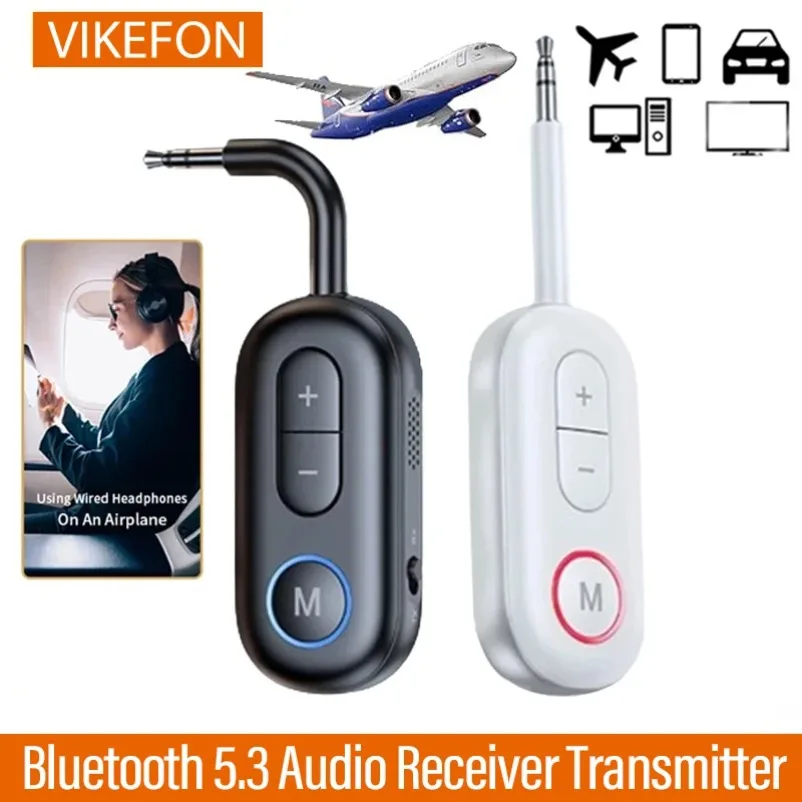
Listing check: product images, buyer photos, seller activity, and recent order signals were checked before this update.
Pick #2: USB-C Bluetooth adapter
This is the more flexible dongle for people carrying their own screens. I would pick it for a laptop, handheld PC, tablet, or small dock pouch. The downside is compatibility: it needs the host device to play nicely with the adapter.
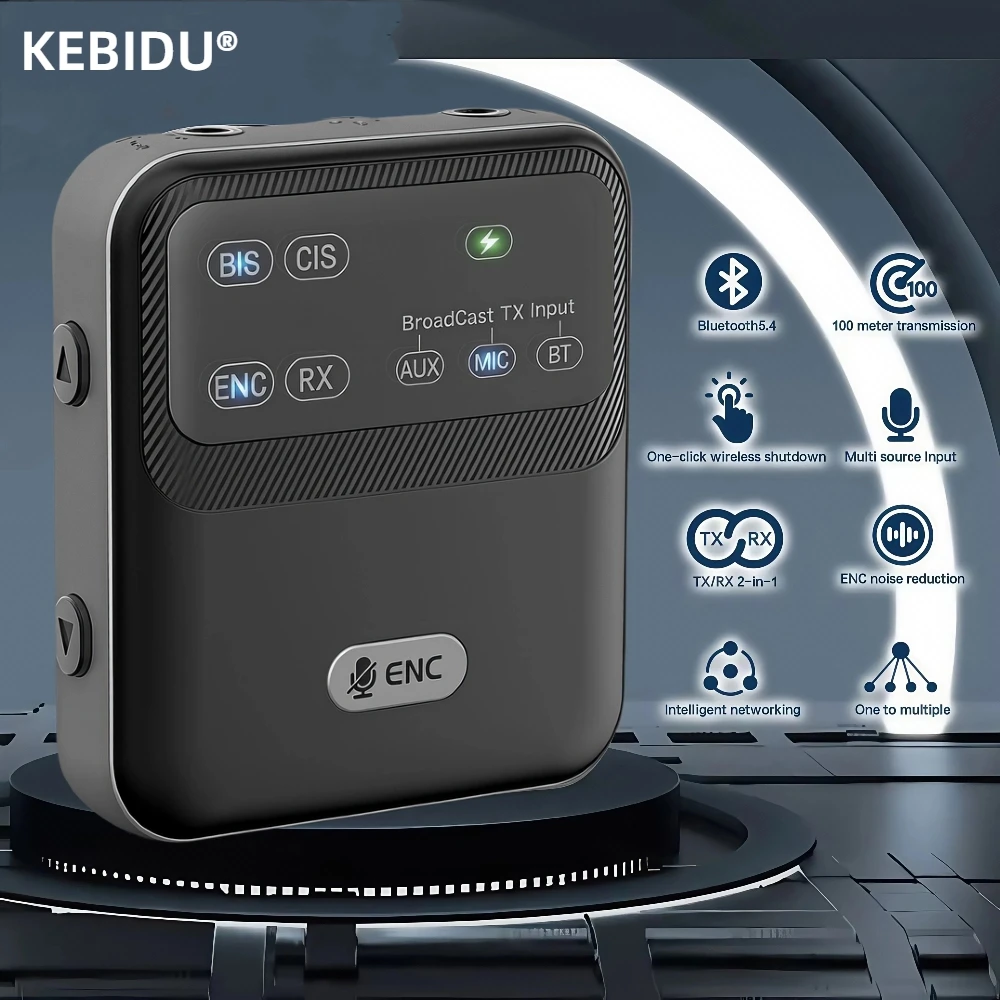
Listing check: product images, buyer photos, seller activity, and recent order signals were checked before this update.
The real split is the audio source: airplane-seat audio needs a transmitter, while phone, tablet, handheld, or laptop audio points to a USB-C adapter.
Travel audio adapters should be judged by the plane seat and device port you actually use.
A transmitter helps with airplane screens, while a USB-C adapter helps with phones, tablets, or handhelds. Buying the wrong one creates another dongle that stays unused in a pouch.
- Check whether you need airplane-seat audio or device audio
- Confirm codec and latency for video
- Avoid adapters that block charging when you need it
This is a buying-decision guide, not a lab test. Recheck the exact listing, shipping terms, compatibility notes, and return window before ordering.
This guide is based on official specs, seller listings, price ranges, and repeated buyer pain points. It is not presented as a hands-on lab test when no hands-on test was done.
Last checked: 2026-04-25. Product listings, image assets, store signals, and affiliate links were reviewed before publishing.