
16-Inch Portable Monitor vs USB-C Dock for Laptop Desk Upgrades
Quick verdict: Buy the 16-inch portable touch monitor first if your laptop desk still feels cramped because you simply need more screen space. Buy the UGREEN 10Gbps dock first if the desk already has enough screen, but the real friction comes from charging, HDMI, storage, and accessory juggling through one USB-C port.
This page has early impressions, so the title and meta should match the exact decision: more screen space or fewer cable problems.
Before buying, check model names, seller ratings, shipping cost, return windows, and cable or mounting compatibility. Small desk accessories fail most often when the size or cable direction is wrong.
If your setup is still minimal and you do not sit at the desk long enough to feel either bottleneck, skip both for now.
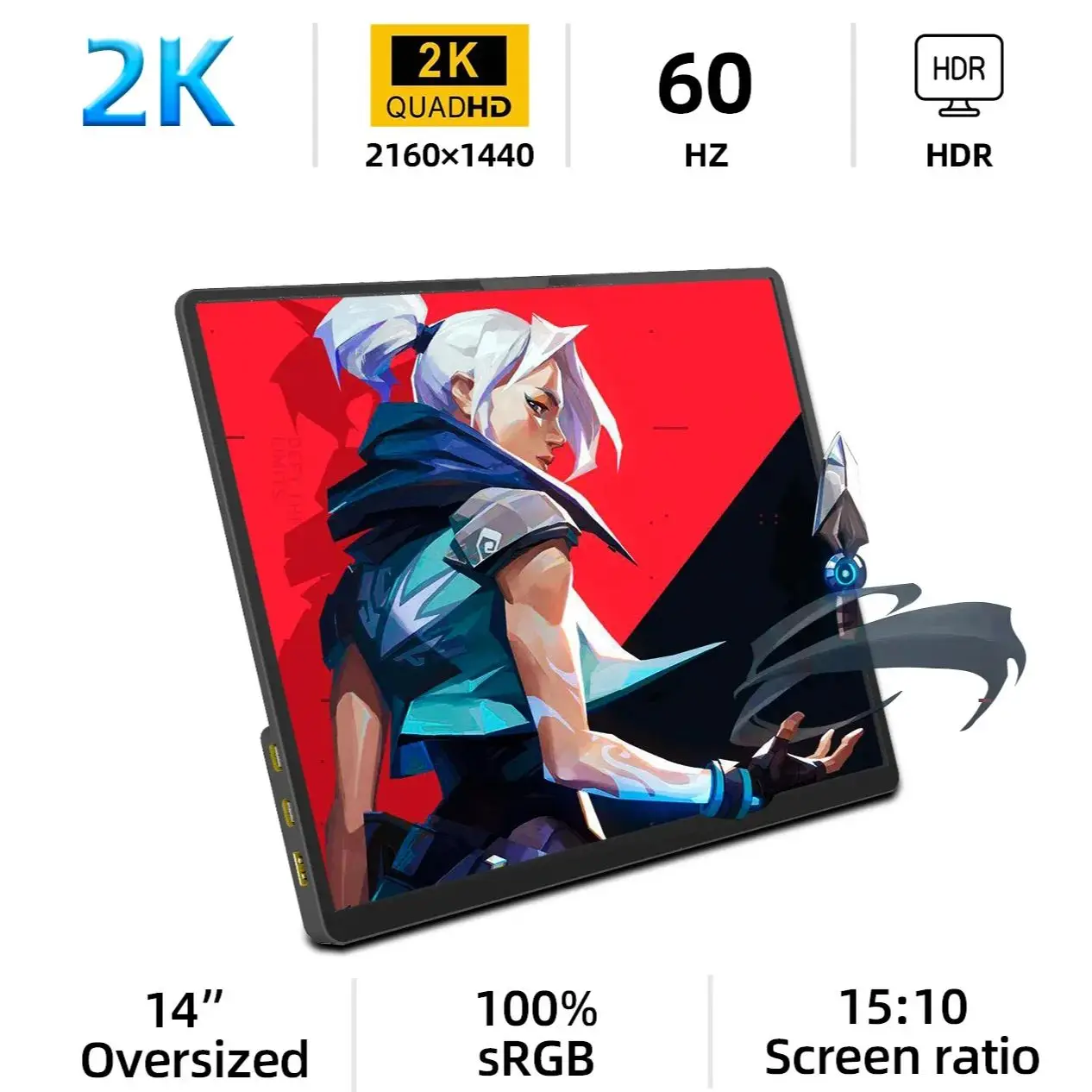
These are not direct substitutes, which is exactly why they are easy to misbuy. One gives a small laptop desk more room to think. The other gives it fewer connection headaches. If you are only buying one upgrade this month, the right answer depends on whether your desk feels visually cramped or operationally annoying.
If you already know more ports matter, the 10Gbps dock guide helps sort out whether a dock is really the right move.
At a glance
| Pick | Best for | Visible signal | Watch-out |
|---|---|---|---|
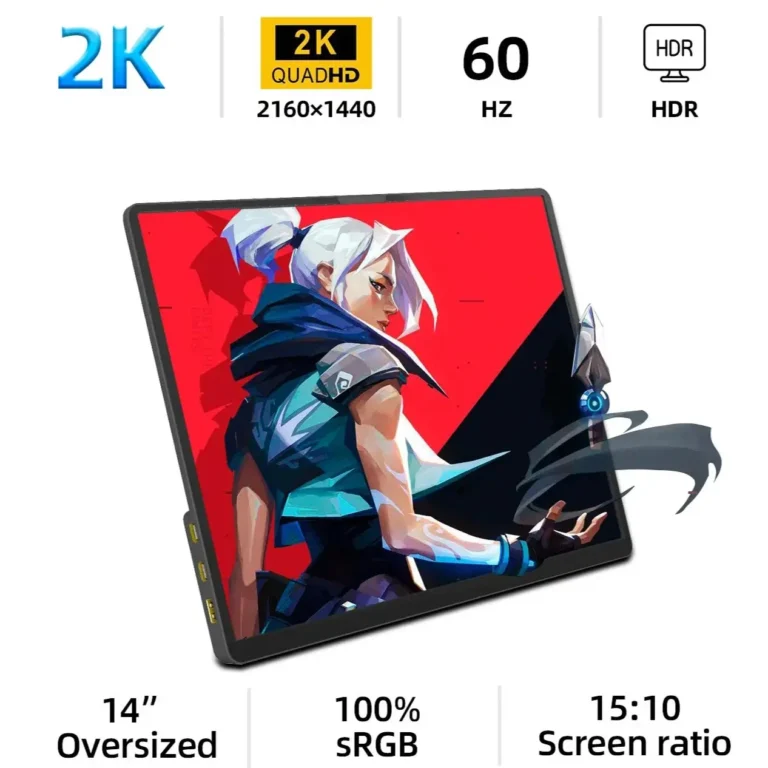
| 16-inch portable touch monitor | Laptop desks that need more working room, reference space, or side-by-side windows | BOLINIA store, 4.9 rating, 5,000+ sold | Takes desk depth and cable discipline more seriously than people expect |
| UGREEN 10Gbps dock | Single-cable desks that keep running into HDMI, charging, or external-drive friction | AliExpress TOP seller, 4.9 rating, 2,000+ sold | It will not make a cramped screen feel any bigger |
Who should get which
Get The Monitor
Choose the portable monitor if your laptop is fine on ports but still feels mentally tight because one screen is not enough.
Get The Dock
Choose the dock if every work session starts with reconnecting HDMI, power, cards, or storage through the same port.
Skip Both
Skip both if you still work mostly from one light app at a time and your desk is not yet hitting a real bottleneck.
Before you order
- Buy the monitor only if you already know where it will sit. Portable screens solve view space, but they can create desk-sprawl faster than many people expect.
- Buy the dock only if your USB-C port is already doing too much every day. Otherwise it becomes another box that the desk did not need yet.
- If you work with docs, browser tabs, spreadsheets, or editing panels all day, more screen changes the desk faster than another connectivity upgrade.
- If your setup already has one good display but still feels messy every morning, the dock is usually the more honest first fix.
This guide may earn a commission when readers buy through affiliate links.
16-inch portable touch monitor

Selection reason: The sold-count signal is strong enough to take seriously, and the 16-inch touch angle gives it a clearer reason to exist than a generic low-cost travel monitor.
Use case: It makes the most sense for laptop desks that need a second screen for docs, chat, browser tabs, timelines, or reference windows without jumping to a full fixed monitor setup.
Standout point: This is the upgrade that changes how the desk feels immediately. You stop stacking windows and start spreading work out in a way a dock cannot replicate.
Watch-out: If your desk is already shallow, adding a portable monitor can expose a space problem that was hiding behind a smaller laptop footprint.
UGREEN 10Gbps USB-C dock
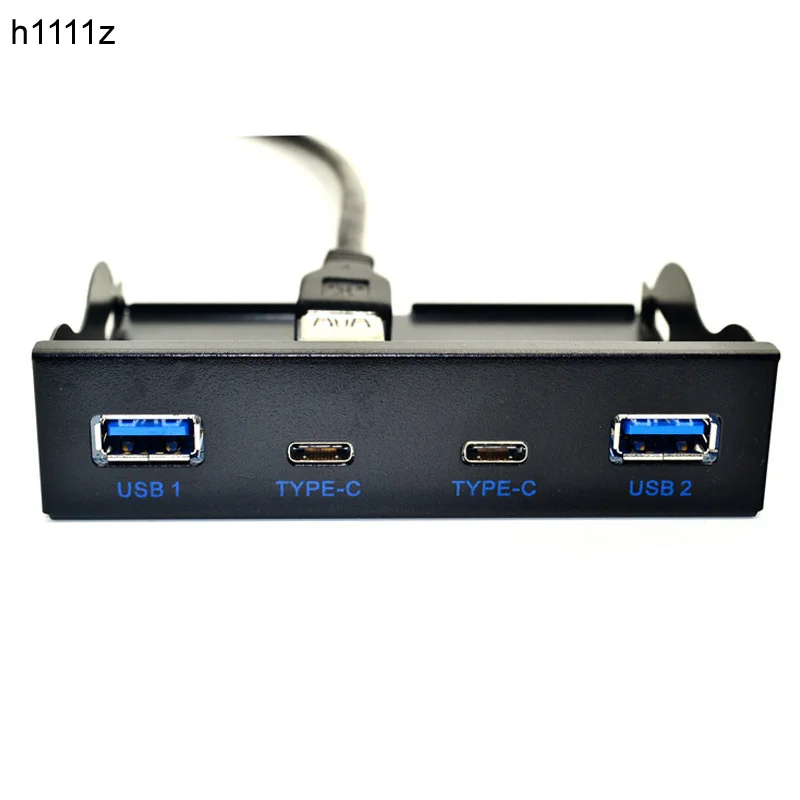
Selection reason: The faster-throughput pitch and stronger desk-dock identity make this feel like a real workstation accessory instead of a filler hub.
Use case: It fits desks that already connect one display, charge the laptop, and move files or accessories through the same working position every day.
Standout point: The dock solves repeated setup friction. Once it is in place, the desk stops feeling like a temporary workaround and starts behaving like one stable station.
Watch-out: If you are hoping a dock will fix visual crampedness or multitasking fatigue, it will not. It makes the desk cleaner, not bigger.
Final call
Buy the monitor first if your desk feels limited because one laptop screen is making real work harder than it should.
Buy the dock first if the desk already has enough display space, but still wastes time through cable swaps and one-port compromise.
What decides it: solve the bottleneck you notice before the work gets going. More screen helps overloaded eyes. Better docking helps overloaded cables. The better first buy is the one that removes the more obvious daily drag.
This guide is based on official specs, seller listings, price ranges, and repeated buyer pain points. It is not presented as a hands-on lab test when no hands-on test was done.
FAQ
Is this a hands-on test?
No. This guide is a buying decision brief built from official specs, seller listings, pricing ranges, and repeated buyer pain points. It should be used as a checkout filter, not a lab review.
What should I check before buying?
Check wattage, cable rating, heat, port layout, and whether it fixes the clutter you actually have.
When should I skip both options?
Skip both if your current charger already covers the devices you carry every day.

One Comment
Comments are closed.